
News
How do I discern a vocation to marriage? Anastasia Pinto’s story
“I used to think: I don’t want this. I want to stay single. If this is what marriage is, I don’t want it.”
During her childhood and teenage years in Mumbai, Anastasia Pinto had seen marriages marked by conflict, separations, and violence up close. She found it hard to imagine that getting married could be good news for her own life.
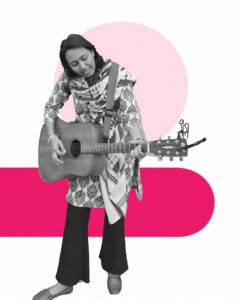
Today she lives in Rome and works in communications for the Church. Still single, Anastasia has gradually discovered, on her journey from Mumbai to Rome, what it means to love and, above all, that marriage can be a calling that goes beyond feelings. She did not reach that conclusion overnight.
- When another story becomes possible
- Waiting is also preparation
- Love is not just a feeling
- Faith is not discovered alone
When another story becomes possible
At 17, Anastasia had a profound experience of God during a retreat. She felt loved and welcomed, and began to devote more time to faith and service. That experience did not erase what she had seen of marriage, but it raised a question: could there be another way to live it?
Over time, she met couples whose faith was visible in everyday life. “It was beautiful. You could see that it wasn’t just the two of them; it was as though there were three. God was present in that relationship.”
She also saw families who shared their time and their homes with others. Their love did not stop with themselves: it became a way of serving their community. “I was amazed. I thought, ‘I want this too. Marriage can be this beautiful.’”
Anastasia began to consider something she had once rejected. Around the age of 20, she started to see marriage as a possible vocation: a call to learn to love and to build a life with another person before God.
That does not mean everyone is called to marry. Nor does a desire become a certainty. Discernment takes time, prayer, freedom, and trusted people to talk to.
Waiting is also preparation
When she was about 21, someone wanted to begin a relationship with Anastasia. She felt she was not ready and sought advice. A married woman who accompanied her on her journey of faith encouraged her to take her desire for marriage seriously without rushing to a decision.
The woman suggested that she pray for her future husband. Anastasia began doing so and continues the practice today. She also made a list of ten qualities she hoped to find in him. Then came an unexpected question: was she trying to cultivate those same virtues in herself?
The list stopped being merely a description of the person she hoped to meet. It became a way to examine her own life. Anastasia takes it to adoration and places it before God.
Her experience raises a question that can speak even to someone who does not yet know whether they want to marry: as I think about the person with whom I might share my life, who am I becoming?
Praying for a future husband and making a list were Anastasia’s personal choices, not steps everyone must follow. Her story offers an invitation to know ourselves better, grow in freedom, and seek guidance.
Love is not just a feeling
Along the way, Anastasia began to reflect on chastity, waiting, and responsibility in relationships. For her, preparing does not mean having a perfect life before meeting someone. It means learning to treat another person with respect and not asking them to heal our wounds on their own.
“Love is not simply a feeling. Love is an action. It is something you put into practice.”
That conviction does not downplay the harm relationships can cause. Anastasia knows stories of broken marriages and violence. The difficulties a couple faces must not be confused with abuse: no one has to endure violence to prove that they know how to love.
She has also learned to be wary of the idea that a relationship will automatically fill every emptiness in our lives. “Marriage is not a way to fill a void. It is a covenant that calls for adjustment and mutual responsibility.”
Faith is not discovered alone
After the pandemic, Anastasia worked with YOUCAT in India, especially in design and communications. She remembers fondly an online study group that brought together young people from different states. They prayed, read Sacred Scripture, and shared their questions and experiences.
There she found again something she had seen in the families who inspired her: faith grows when we can talk about it and live it with others. A community cannot decide anyone’s vocation for them, but it can help them listen, ask questions, and take the next step.
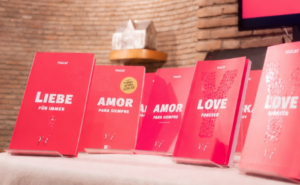
The questions running through Anastasia’s story also appear in YOUCAT Love Forever: can I desire marriage and still be open to God’s plan? How can I tell if my vocation lies elsewhere? Is my life worth less if I do not find a partner? The book offers a starting point for thinking and talking about love, freedom, and marriage.
From Mumbai to Rome, Anastasia has not found a quick answer to every question. She has found people, experiences of faith, and concrete practices that help her grow. Her story reminds us that discerning a vocation can begin here too: by learning to listen to God and to love better, today.
Would you like to explore these questions further? Discover YOUCAT Love Forever and continue the conversation in a YOUCAT study group.

YOUCAT Digital
Discover our digital products, which will help you to grow in faith and become missionaries yourself.