
News
Love That Radiates Beyond Itself: What Are You Living For?
At some point, the perspective in a mature relationship begins to change. The question that develops is “What are we here for together?” It is at this point that love begins to grow beyond itself and fulfill one of its deepest purposes: to become fruitful for others.
- From Caring for Each Other to Caring for Others
- Fruitfulness Is More Than Having Children
- When Parenthood Becomes a School of Love
- Becoming Yourself Without Losing Yourself
- What Are You Living For?
From Caring for Each Other to Caring for Others
Developmental psychology uses the term generativity to describe a mature stage of life: the ability and desire to contribute something that outlasts and extends beyond oneself. According to this theory, people who never take this step risk becoming stuck, constantly revolving around themselves and their own needs.
A relationship that matures eventually makes the same transition. It moves from two people caring for one another to two people caring for others together: children, family members, friends, and the wider community around them.
Fruitfulness Is More Than Having Children
Not every couple has children. That does not mean their relationship is unfruitful. Fruitfulness can be found wherever a relationship becomes a source of good for others: through hospitality, service, generosity, mentorship, or the positive influence a couple has on the people around them.
The question, therefore, is not simply whether a couple has children. The deeper question is: For whom, and in what way, are we fruitful as a couple?
When Parenthood Becomes a School of Love
Those who raise children often discover new dimensions of love themselves: learning patience, learning to let go, setting boundaries without damaging the relationship, and putting another person’s needs before their own. Children often reflect back, with remarkable honesty, how a relationship is actually functioning.
Praying together as a family, sharing faith, and living out values rather than merely teaching them can transform a home into what Christians sometimes call a domestic church—a small but living expression of faith in everyday life.
Becoming Yourself Without Losing Yourself
One important concern remains: Does caring for others mean losing your own identity? This is where we discover that self realization and self giving do not have to be opposites. A person who knows who they are, with their own gifts, calling, interests, and purpose, can give themselves generously without disappearing in the process.
This is especially true when it comes to balancing parenthood and professional vocation. It is rarely a matter of choosing one or the other. Rather, it is a question that every couple is invited to answer in their own way.
“This book enriched my vision of love and marriage and will help many people discover what true love really is.” — Patricia Alvarado Beltran
What Are You Living For?
Take a moment to reflect on these questions:
- What or whom am I living for right now, beyond myself?
- Where do I already see signs of fruitfulness in my life, even if I do not have children?
- What do I hope to pass on to the next generation, to my community, or to the world around me?
Love that begins with two people is never meant to remain there. It is meant to radiate outward.
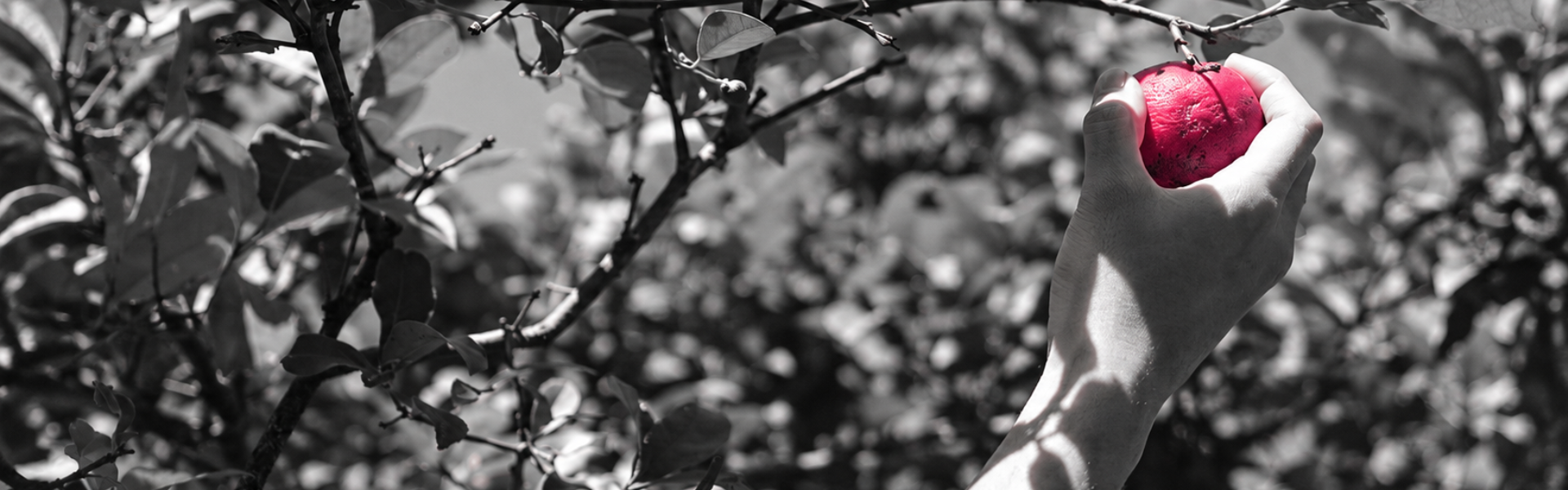
Photo: Letícia Alvares / Pexels; AI-assisted colour treatment and crop: YOUCAT Foundation.
Originalfoto · Pexels-Lizenz

YOUCAT Digital
Discover our digital products, which will help you to grow in faith and become missionaries yourself.